
Opioid Overdose Response in the Workplace: OSHA Guidance for Employers
Last Updated on October 8, 2026 by MyHRConcierge
Workplace safety planning has traditionally focused on hazards such as falls, fires, severe weather, workplace violence and medical emergencies. The Occupational Safety and Health Administration (OSHA) is now encouraging employers to add another potential emergency to that conversation: opioid overdose.
On Sept. 24, 2026, OSHA released new guidance, “Opioid Overdose Rescue with Reversal Medications,” designed to help employers and employees recognize and respond to opioid-related emergencies in the workplace. The guidance encourages employers to consider maintaining opioid overdose reversal medications, such as naloxone or nalmefene, and preparing employees to respond if an overdose occurs.
Importantly, OSHA’s guidance does not create a new requirement for employers to stock naloxone or establish a workplace overdose response program. Instead, it provides employers with practical recommendations for being prepared for an emergency that could occur in virtually any workplace. For employers, the guidance presents an opportunity to evaluate whether opioid overdose response should become part of the organization’s broader workplace safety and emergency preparedness strategy.
Why Opioid Overdose Preparedness Matters to Employers
Substance use and opioid addiction are not limited to particular industries, occupations or types of employees. An opioid-related emergency can potentially occur in any office, manufacturing facility, warehouse, construction site, retail establishment or other workplace.
Employers already have an obligation under the Occupational Safety and Health (OSH) Act of 1970 to provide a workplace free from serious recognized hazards, and to establish and communicate appropriate safety procedures. OSHA also encourages employers to develop safety and health programs that involve management leadership, employee participation and systematic identification of workplace hazards.
OSHA’s new guidance places opioid overdose preparedness within that broader workplace safety conversation. For employers, the issue is not necessarily whether an employee has a history of substance use. Rather, it is whether the organization has a reasonable plan for responding to a medical emergency if one occurs.
That distinction is important for HR departments. Workplace overdose preparedness should be approached as a safety and emergency-response issue, not as an effort to identify, monitor or stigmatize employees who may be struggling with substance use.
OSHA Recommends Making Overdose-Reversal Medication Accessible
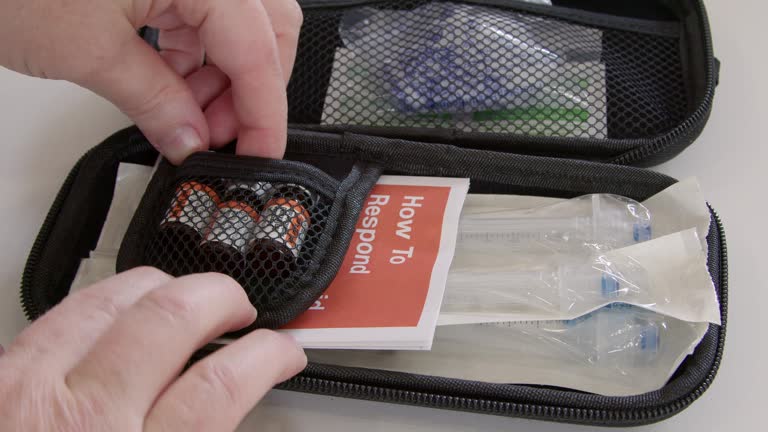
One of the primary recommendations in OSHA’s new guidance is for employers to consider keeping FDA-approved opioid overdose reversal medications available in the workplace. Naloxone and nalmefene can rapidly reverse the effects of an opioid overdose and help restore normal breathing. OSHA recommends treating these medications similarly to other emergency-response supplies.
Employers that choose to make reversal medications available should consider how employees would access them during an emergency. OSHA recommends keeping overdose-response kits in locations that are visible and easily accessible, similar to first-aid kits or automated external defibrillators. Depending on the size and layout of the workplace, employers may also want to consider whether one centralized supply is sufficient or whether multiple locations would provide faster access.
The organization should establish responsibility for monitoring the supplies. This may include checking expiration dates, maintaining adequate inventory and ensuring medications are stored according to the manufacturer’s instructions.
Employee Training Can Be Critical During an Emergency
Having naloxone or another reversal medication available is only one part of an effective response plan. Employees must also know when and how to respond.
OSHA recommends educating workers about common signs of an opioid overdose, including:
- Slow or stopped breathing
- Unresponsiveness
- Blue or discolored lips or skin
- Pinpoint pupils
- Other signs indicating that an individual may be experiencing a serious medical emergency
Training can also address how to administer an overdose-reversal medication, how to safely position the individual and how to provide supportive care while waiting for emergency responders. From an HR perspective, training should be incorporated into the company’s existing safety and emergency-response framework rather than treated as an isolated initiative.
Employers may want to identify employees who are already responsible for first aid, workplace safety or emergency response and determine whether additional overdose-response training would be appropriate. Training should also be accessible to employees in a manner they can understand, consistent with OSHA’s broader approach to workplace safety training.
Naloxone Does Not Replace 911
One of the most important components of an employer’s response plan should be a clear understanding that naloxone is not a replacement for professional medical care. OSHA recommends calling 911 immediately during an overdose emergency, even if naloxone or another reversal medication is administered and the individual appears to be recovering. The effects of reversal medication can be temporary, and additional medical treatment may be necessary.
The Centers for Disease Control and Prevention (CDC) similarly advises that more than one dose of naloxone may sometimes be required, and that naloxone does not reverse overdoses caused by substances such as alcohol or certain other drugs. For that reason, emergency medical services should be contacted whenever an overdose is suspected. Employers should make this expectation clear in their emergency procedures and employees should not be placed in a position where they believe administering naloxone means the emergency has been resolved.
Employers Should Review Their Emergency Response Procedures
OSHA’s new guidance provides employers with an opportunity to review their existing workplace emergency plans. HR and safety leaders should consider questions such as:
- Does the organization have a clearly defined process for responding to medical emergencies?
- Would employees know where to find naloxone if stocked?
- Who is responsible for maintaining the supplies?
- Are emergency procedures effectively communicated to employees?
- Does the company’s safety training address medical emergencies?
HR Policies Should Balance Safety, Privacy and Compliance
Opioid overdose preparedness can also raise important HR considerations. Employers should avoid creating policies that unnecessarily require employees to disclose medical conditions, prescriptions or substance-use histories. The purpose of an emergency preparedness program should be to provide a safe response when a medical emergency occurs, not to identify employees who may use opioids.
Employers should also review how their existing drug-free workplace, substance-use, reasonable accommodation, leave and employee assistance policies interact with emergency response procedures. Substance use disorder can present complex employment considerations, and employers should be cautious about making assumptions based solely on an employee’s medical condition, medication use or participation in treatment or recovery programs.
Depending on the circumstances, federal and state employment laws may also affect how employers handle substance-use issues, medical information, disability-related matters and workplace drug policies. Employers should review applicable requirements with qualified legal counsel when developing or updating related policies.
Have Questions?
Get answers to questions about government rules and regulations that may affect your business by using MyHRConcierge. We provide expert guidance to employers that helps them stay compliant with state and federal labor laws—fast.
Workplace Overdose Preparedness Is Not About Assigning Blame
An effective workplace response should focus on saving lives and protecting employees rather than determining how or why an individual overdosed. This distinction can be particularly important for workplace culture. Employees may be less likely to seek help or respond to an emergency if they believe an overdose will automatically result in punishment, public disclosure or termination.
Employers should communicate that emergency-response procedures exist to protect people while maintaining appropriate workplace standards and policies. This does not mean employers must abandon drug-free workplace policies or workplace conduct expectations. Instead, organizations should make sure their safety procedures and HR policies work together without creating confusion during an emergency.
Consider Where Overdose Preparedness Fits Within Your Workplace
Not every employer will have the same level of risk or the same need for an overdose-response program. OSHA’s guidance gives employers flexibility to evaluate their individual workplaces and determine what preparedness measures make sense.
Employers may want to consider factors such as the nature of their industry, workplace size, worksite location, employee population, proximity to emergency medical services and existing first-aid capabilities. Workplaces with employees working alone, remote worksites, large facilities or locations where emergency medical response may take longer may have additional considerations when developing an emergency plan.
The CDC has previously provided resources specifically designed to help employers evaluate whether to establish a workplace naloxone availability and use program.
OSHA’s Guidance Is a Preparedness Recommendation, Not a New Mandate
Employers should understand the distinction between OSHA’s new guidance and an OSHA standard. The September 2026 fact sheet is intended to provide practical recommendations for responding to opioid-related emergencies- OSHA has not announced a new requirement that every employer stock naloxone, train every employee to administer it or establish a formal opioid response program.
However, the guidance signals that OSHA considers opioid overdose preparedness a legitimate workplace safety consideration. For employers, that makes this an appropriate time to review existing emergency procedures and determine whether additional preparation could strengthen the organization’s overall safety program.
A Proactive Approach Can Strengthen Workplace Safety
OSHA’s new opioid overdose guidance encourages employers to consider three fundamental components: access to reversal medication, employee education and rapid access to emergency medical care. For employers, the next step may be as simple as reviewing the organization’s current emergency response plan and asking whether employees would know what to do if an opioid overdose occurred at work.
Employers that choose to implement a workplace naloxone program should establish clear procedures for storage, access, training, emergency response and supply maintenance. They should also coordinate the program with existing workplace safety policies and applicable federal and state requirements.
Preparing for a potential overdose does not mean an employer expects one to happen. It means the organization is prepared to respond if it does. In workplace safety, preparation can make the difference between confusion and an effective emergency response- and, in the case of an opioid overdose, that response could save a life.
For more information on how to enhance your organization’s compliance efforts, contact MyHRConcierge at 855-538-6947, sales@myhrconcierge.com. Or, schedule a convenient consultation below: