
Wearable Technology at Work: How Employers Can Address Compliance and Privacy Risks
Last Updated on July 13, 2026 by MyHRConcierge
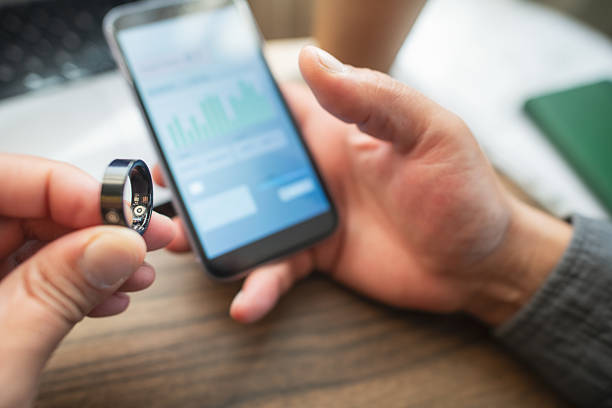
Smart glasses, smart watches, fitness trackers, smart rings and other wearable devices are becoming increasingly common in everyday life. As technology continues to advance, employees may bring these devices into the workplace for personal convenience, accessibility, health tracking, productivity or other purposes.
However, many modern wearable devices now include features that extend beyond simple notifications or fitness tracking. Devices such as Artificial Intelligence (AI)-powered smart glasses may capture photos, record video, transcribe conversations or connect to artificial intelligence tools. Other wearables may collect health-related information, location data or biometric information.
For employers, the growing use of employee-owned wearable devices creates new workplace policy considerations. While organizations may not prohibit every emerging technology, they should establish clear expectations around privacy, confidentiality, recording and appropriate workplace use.
Why Employers Should Address Wearable Technology in Workplace Policies
Traditional workplace policies often address cell phone use, cameras, social media and electronic communications. However, wearable devices introduce new challenges because they can operate discreetly and continuously.
For example, an employee wearing smart glasses could potentially:
- Record a meeting without other participants realizing it.
- Capture confidential company information, customer data or proprietary materials.
- Record workplace conversations involving coworkers or supervisors.
- Use AI features to transcribe or analyze workplace discussions.
- Share workplace footage or recordings on external platforms.
Employers should consider whether existing technology and confidentiality policies adequately address these situations or whether wearable devices require additional guidance.
Addressing Employee-Owned Smart Glasses and Recording Devices
One of the biggest concerns with smart glasses and other wearable technology is their ability to record audio and video.
Employees may use these devices for legitimate reasons, such as accessibility, personal documentation or convenience. However, unauthorized recording can create significant privacy, confidentiality and legal concerns.
Employers should consider including provisions that:
- Prohibit unauthorized audio or video recording in the workplace.
- Require permission before recording meetings, conversations or company activities.
- Protect confidential business information, trade secrets, and customer information.
- Establish designated areas where recording devices are restricted, such as HR offices, medical areas or locations where sensitive information is handled.
Employers should also consider state recording laws when developing these policies. Several states require the consent of all parties before certain conversations may be recorded. A policy that addresses recording expectations can help employees understand their responsibilities before issues arise.
Wearable Health Data and Workplace Complaints
Some wearable devices collect health-related information, including heart rate, sleep patterns, stress indicators, activity levels and other biometric measurements.
Employees may attempt to use this information to support workplace complaints. For example, an employee might provide data from a wearable device to suggest that a stressful interaction caused an elevated heart rate or affected their well-being.
While this information may provide personal insight, employers should be cautious about treating wearable-generated health data as definitive evidence in workplace investigations.
Wearable data may:
- Be affected by factors unrelated to work.
- Lack context about the situation being reported.
- Vary in accuracy depending on the device and settings.
- Raise privacy concerns involving personal health information.
Employers should evaluate workplace concerns based on established investigation practices, including interviews, documentation, witness statements and relevant evidence. Wearable data may be considered as part of a broader review but should generally not replace a comprehensive investigation process.
Protecting Confidential Information and Workplace Privacy
Many employers handle sensitive information that should not be captured or shared through wearable technology. Examples include:
- Customer or client information.
- Employee personnel records.
- Financial information.
- Protected health information.
- Proprietary business processes.
- Private workplace discussions.
Organizations should review existing confidentiality, data security and acceptable use policies to ensure they address newer forms of technology capable of capturing workplace information.
Have Questions?
Get answers to questions about government rules and regulations that may affect your business by using MyHRConcierge. We provide expert guidance to employers that helps them stay compliant with state and federal labor laws—fast.
Considerations Under Employment Laws
The absence of a dedicated wearable technology law does not mean employers are free to implement or prohibit these devices without consideration. Several federal laws may apply depending on how wearable technology is used in the workplace.
National Labor Relations Act (NLRA)
Employers should also carefully draft workplace recording policies. Policies should be narrowly tailored and should not unlawfully interfere with employees’ rights to engage in protected concerted activity under the National Labor Relations Act.
For example, employees may have rights to document workplace conditions when engaging in legally protected activities. Restrictions should focus on legitimate business concerns, such as protecting confidential information, privacy and workplace safety.
Anti-Discrimination and Accommodation Considerations
Employers should also be mindful that some employees may use wearable technology as an accommodation or assistive device.
For example, an employee may rely on technology to support a disability-related need. Policies should be applied consistently while considering reasonable accommodation obligations under the Americans with Disabilities Act (ADA).
Privacy and Recording Laws
State laws regarding audio recording may apply when wearable devices capture conversations. Employers operating across multiple states should ensure policies account for different state requirements.
Developing a Workplace Wearable Device Policy
As wearable technology becomes more common, employers should consider updating employee handbooks and workplace technology policies to address these devices directly.
A well-developed policy may address:
- Whether wearable devices are permitted in the workplace.
- Areas where audio or video recording is prohibited.
- Protection of confidential business information and trade secrets.
- Customer, patient and employee privacy expectations.
- Use of wearable data in workplace complaints or investigations.
- Data security and information handling requirements.
- Consequences for unauthorized recording or misuse of wearable technology.
Organizations operating in regulated industries- such as healthcare, financial services, banking, mortgage lending, legal services, education and government contracting- may need additional restrictions to help protect confidential information and comply with industry-specific regulations.
Preparing for the Future of Workplace Technology
As wearable technology becomes more advanced, employers will continue to encounter new questions about privacy, documentation, and workplace expectations. A proactive approach does not require organizations to ban emerging technology. Instead, employers should establish reasonable guidelines that balance employee privacy, workplace rights, and legitimate business interests.
By updating technology, confidentiality and workplace conduct policies, employers can create a framework for addressing smart glasses and wearable devices before they become a compliance challenge.
For more information on how to enhance your organization’s compliance efforts, contact MyHRConcierge at 855-538-6947, sales@myhrconcierge.com. Or, schedule a convenient consultation below: