
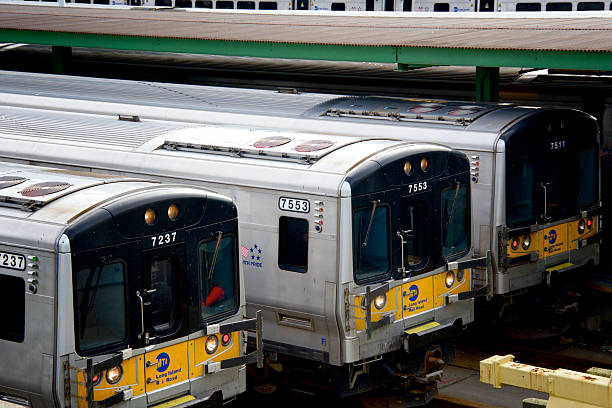
Key Employer Insights: President Trump Creates a Second Emergency Board for LIRR Labor Dispute
Last Updated on January 29, 2026 by MyHRConcierge
On January 14, 2026, President Donald Trump established a second Presidential Emergency Board (PEB) to address an ongoing labor dispute involving the Long Island Rail Road (LIRR) and multiple unions representing its employees. This action follows an earlier emergency board created in 2025, after negotiations remained unresolved and the parties did not reach a final agreement.
For business owners and HR professionals, this development is a timely reminder of how quickly labor disputes- especially those involving essential services- can escalate into federal involvement, extended negotiation timelines and heightened operational risk.
What Is a Presidential Emergency Board (PEB)?
A Presidential Emergency Board is a tool available under the Railway Labor Act (RLA), which governs labor relations in the railroad and airline industries. When a labor dispute threatens to significantly disrupt transportation or commerce, the President can appoint a board to:
- review the dispute,
- investigate key issues,
- and issue non-binding recommendations aimed at helping both sides reach a settlement.
Importantly, a PEB does not impose a final contract. Instead, it serves as a formal intervention to encourage resolution and prevent disruptive work stoppages.
Why a Second Emergency Board Matters
A second emergency board is less common and typically signals that a dispute has reached a more serious stage. In this case, the second board was established after continued disagreement following the first board’s involvement.
The second PEB process is designed to create additional structure and momentum toward settlement, particularly when the risk of a strike or disruption remains high.
The LIRR Dispute: Why It’s Drawing National Attention
The labor dispute involves the Long Island Railroad, a critical commuter rail system in New York, and several unions representing employees. Because rail systems are vital infrastructure- and disruptions can affect commuters, employers and regional commerce- federal action can become more likely when negotiations stall.
Even if your organization is not unionized or not in transportation, the broader implications of this case are relevant for workforce planning and HR strategy.
Have Questions?
Get answers to questions about government rules and regulations that may affect your business by using MyHRConcierge. We provide expert guidance to employers that helps them stay compliant with state and federal labor laws—fast.
Key Takeaways for Business Owners and HR Professionals
While this case centers on the Long Island Rail Road, the broader lessons apply to employers in every industry- especially when it comes to workforce planning, communication and business continuity. Below are the key takeaways business owners and HR professionals should keep in mind.
Labor Disruptions Can Create Ripple Effects Across Industries
Major transportation disputes don’t just affect rail operators. Work stoppages or service slowdowns can impact:
- employee commuting reliability
- attendance and scheduling
- supply chain timing
- customer delivery expectations
HR teams may need contingency plans even when they are not directly involved in the labor dispute.
Federal Intervention Highlights the Stakes of Unresolved Bargaining
The creation of a second PEB underscores a key reality: when disputes affect critical operations, the government may step in to extend negotiations and reduce the risk of disruption.
For employers, this is a reminder that labor relations are not just a legal issue, but that they are also a business continuity issue.
PEB Recommendations Are Not Automatically Binding
One common misconception is that a Presidential Emergency Board “settles” the dispute. It does not.
The board issues recommendations, but both parties still must negotiate and agree to terms. Employers should recognize that even with government involvement, labor disputes can remain unresolved without cooperation and strategic negotiation planning.
Communication and Planning Are Essential During High-Visibility Disputes
For HR professionals, high-profile labor disputes are a reminder to strengthen internal readiness, including:
- crisis communications planning
- employee relations strategies
- pay, scheduling and attendance policies
- leadership training for sensitive workplace issues
Even non-union employers benefit from proactive planning and clear workforce communication.
Final Thoughts: Why This Matters Beyond Railroads
President Trump’s decision to establish a second emergency board reflects the seriousness of unresolved labor disputes, especially when they threaten major infrastructure and economic stability.
For employers and HR leaders, this situation reinforces an important lesson: workforce stability, communication and negotiation readiness are critical business priorities, not just compliance responsibilities. When disputes escalate, they can quickly become public, political and operational, making early planning and strong employee relations more important than ever.
For more information on how to enhance your organization’s compliance efforts, contact MyHRConcierge at 855-538-6947 ext.108, ccooley@myhrconcierge.com. Or, schedule a convenient consultation below: