
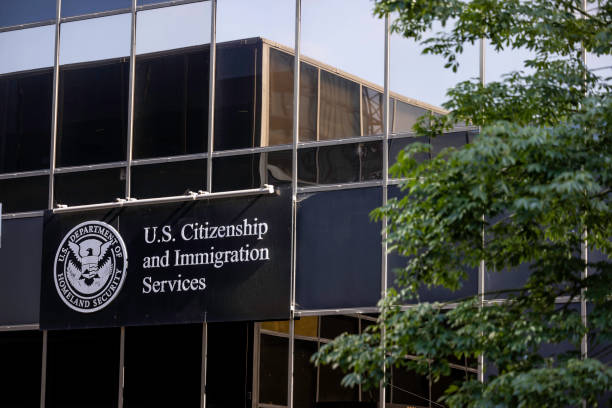
Worksite Raids and I-9 Compliance: What Every Employer Needs to Know
Last Updated on January 24, 2025 by MyHRConcierge
Employers should be aware of workplace enforcement actions, including worksite raids and I-9 compliance audits- which are going to and have become an increasingly pressing issue- in response to undocumented workers. We can see the importance of this through cases such as the 2019 Central Mississippi ICE raids, which occurred in President Trump’s first term.
If organizations are unprepared, these events can lead to severe financial penalties, operational disruptions, and lasting reputational damage. By understanding the complexities of I-9 compliance and proactively addressing potential vulnerabilities, employers can safeguard their businesses while maintaining a lawful and ethical workplace. This blog post offers practical insights and strategies to navigate these situations effectively.
Recent updates to ICE enforcement guidance and Form I-9 procedures have heightened the importance of maintaining accurate employment eligibility records. Employers now face increased scrutiny during audits, and certain errors that were previously considered technical may result in more significant penalties. As enforcement priorities continue to evolve, understanding current I-9 requirements is more important than ever.
- Understanding I-9 Audits and Compliance
- What Happens During an ICE Form I-9 Inspection?
- Identifying and Handling Fraudulent Documents
- Remote Verification
- Potential Outcomes of an I-9 Audit
- Ensuring Compliance and Protecting Your Business from Worksite Raids
- Preparing Before an Inspection Is Critical
- MyHRConcierge Can Help Your Business Ensure I-9 Compliance
Understanding I-9 Audits and Compliance
The Form I-9 verifies an employee’s identity and authorization to work in the United States (U.S.). Failing to maintain accurate and compliant I-9 records can result in severe penalties. The Immigration Reform and Control Act of 1986 is the law that “mandates employers to facilitate the form I-9. That’s part of the hiring process that is absolutely required by all employers, and governs the process of ensuring that an individual is authorized to work in the U.S.,” notes Principal and Co-Founder of MyHRConcierge, John Yerger, SHRM-SCP.
In recent years, federal agencies have placed greater emphasis on I-9 enforcement. Updated ICE inspection guidance has expanded the types of errors that may be treated as substantive violations, increasing potential liability for employers that fail to maintain accurate records. As a result, organizations should view I-9 compliance as an ongoing process rather than a one-time hiring requirement.
Because Form I-9 paperwork penalties can range from hundreds to thousands of dollars per violation, employers should conduct regular internal audits and review their onboarding processes to help identify compliance issues before receiving a Notice of Inspection (NOI).
What Happens During an ICE Form I-9 Inspection?
Most ICE audits begin when an employer receives a Notice of Inspection (NOI). Once served, employers generally have three business days to produce the requested Forms I-9 and supporting documentation. ICE may also request payroll records, lists of active and terminated employees, business licenses and corporate formation documents.
After reviewing the records, Homeland Security Investigations (HSI) auditors determine whether technical, procedural or substantive violations exist. If technical or procedural errors are identified, employers are generally given at least 10 business days to correct them. However, substantive violations and uncorrected technical violations may result in monetary penalties.
Understanding this process before receiving an NOI can help employers respond quickly and reduce compliance risks.
Form I-9 Inspection Process According to ICE Website

Key Aspects of I-9 Compliance
- Timely Completion: Ensure Section 1 is completed by the employee no later than their first day of employment and Section 2 is completed by the employer within three business days of the employee’s start date.
- Retention Requirements: Maintain I-9 forms for all current employees and for at least three years after an employee’s date of hire or one year after their employment ends, whichever is longer.
- Purging Old I-9 Forms: Following the necessary retention period, a less discussed but equally crucial aspect of this process is purging old Form I-9s. Regularly clearing outdated forms is essential for organizational efficiency, legal compliance and protection against unnecessary risks.
- Re-Verification: Monitor work authorization expiration dates when applicable and complete Supplement B for reverification or rehire situations as required.
Common Mistakes in the I-9 Process
Even minor errors on I-9 forms can lead to significant fines. In fact, according to Sue Kohlwey of the USCIS’s Outreach Branch, 76% of paper I-9s contain at least one error that could result in a fine from Immigration and Customs Enforcement (ICE). ICE’s updated 2026 inspection guidance has expanded the types of errors that may be treated as substantive violations, increasing the potential consequences for mistakes that may previously have been considered technical or procedural. Common mistakes include:
- Incomplete Section 1 or Section 2: Failing to provide required information, such as an employee’s date of birth, address, employment authorization information, or required document details.
- Late Completion: Failing to complete Section 1 by the employee’s first day of work or Section 2 within the required timeframe.
- Improper Corrections: Using white-out, erasing information, or otherwise obscuring the original entry instead of making corrections in accordance with I-9 requirements.
- Missing Signatures or Dates: Failing to obtain required employee, employer, preparer or translator signatures and dates.
- Incomplete Document Information: Omitting required information from List A, B or C documents, including document titles, numbers or expiration dates.
- Failure to Reverify When Required: Failing to properly monitor and reverify employment authorization when required.
- Failure to Retain I-9 Records: Not maintaining forms for the required retention period or being unable to produce them when required during an inspection.
- Improper Use of Remote Verification: Employers using the alternative remote verification procedure must meet the applicable requirements, including participating in E-Verify and properly documenting the use of the alternative procedure.
- Electronic I-9 System Deficiencies: Using an electronic I-9 system that does not meet applicable requirements for audit trails, electronic signatures, security or recordkeeping.
Employers should not assume that an error previously considered minor will receive the same treatment during an ICE inspection. Because the classification and potential consequences of certain I-9 violations have changed, regular internal audits, employee training and consistent procedures for completing and reviewing forms are increasingly important. Identifying and addressing errors proactively can help employers strengthen their compliance programs and reduce potential exposure during an I-9 inspection.
Technical vs. Substantive Violations
Not all Form I-9 errors are treated equally. Technical or procedural errors may be correctable if identified during an audit, while substantive violations generally involve missing required information, untimely completion, missing signatures or failures to verify employment authorization properly. Understanding this distinction can help employers prioritize compliance efforts and reduce potential liability.
Errors ICE Considers Substantive Violations
ICE’s March 2026 update to its Form I-9 inspection guidance expands the types of errors that may be treated as substantive violations subject to monetary penalties. The updated guidance identifies a number of issues that employers should pay particular attention to, including:
- Failure to prepare or retain a Form I-9 when required.
- Failure to produce Forms I-9 during an inspection.
- Missing or incomplete information in Section 1, including certain required employee information.
- Missing employee attestations or signatures.
- Missing employer certifications or signatures.
- Incomplete or missing information about identity and employment authorization documents in Section 2.
- Failure to properly complete required reverification.
- Improper use of the alternative remote verification procedure, including failing to meet applicable E-Verify requirements.
- Deficiencies in electronic I-9 systems, such as failing to meet requirements related to audit trails, electronic signatures, security, or recordkeeping.
The 2026 guidance is particularly significant because some errors that were historically treated as technical or procedural violations may now be treated as substantive violations. As a result, employers may face monetary penalties for errors that previously could have been corrected during the inspection process. Employers should conduct regular I-9 audits and review their verification, reverification, remote verification and electronic recordkeeping procedures to identify potential issues before an ICE inspection occurs.
Have Questions?
Get answers to questions about government rules and regulations that may affect your business by using MyHRConcierge. We provide expert guidance to employers that helps them stay compliant with state and federal labor laws—fast.
Identifying and Handling Fraudulent Documents
Employers must examine documents provided by employees to establish identity and employment eligibility. Yerger states that employers “have to take reasonable efforts to determine the authenticity and the genuineness of that document related to what the individual is presenting. So, employers have to make reasonable, good faith judgment calls.”
While employers are not expected to be document experts, they are required to make reasonable, good-faith determinations regarding whether documents appear genuine and relate to the employee presenting them.
Tips for Verifying Documents
- Know What to Look For: Familiarize yourself with the appearance and security features of common documents like passports, permanent resident cards, and driver’s licenses. The Handbook for Employers M-274 provided by the UCIS is a great resource for this task.
- Use E-Verify: Use E-Verify where applicable to add an additional layer of verification. It is important to note that E-Verify requirements can vary by state, with some mandating its use for all employers and others limiting the requirement to public employers or contractors.
- Avoid Discrimination: Follow anti-discrimination provisions by treating all employees equally, regardless of national origin or citizenship status.
If you suspect a document is fraudulent, consult legal counsel before taking action to ensure compliance with anti-discrimination laws. Employers utilizing E-Verify should also ensure their systems and processes remain current with federal requirements and terminology updates. Periodic reviews of electronic onboarding and employment verification procedures can help identify compliance gaps before they become audit issues.
Remote Verification
For decades, employers were required to physically inspect identity and work authorization documents. During the COVID-19 pandemic, the Department of Homeland Security (DHS) temporarily allowed remote review procedures, which eventually evolved into a permanent alternative procedure for qualifying employers. This alternative procedure is available for employees hired on or after August 1, 2023.
To participate in the remote examination of Form I-9 documents under the DHS-authorized alternative procedure, employers must meet the following criteria:
- Be enrolled in E-Verify.
- Examine and retain copies of all documents.
- Conduct a live video interaction with the employee.
- Create an E-Verify case if the employee is a new hire.
Employers should also ensure they properly document use of the alternative procedure on Form I-9. ICE’s March 2026 guidance specifically identifies failures related to remote document examination procedures and electronic I-9 systems as potential substantive violations. Remote verification under the DHS alternative procedure is not available simply because an employer wants to conduct I-9 verification remotely. The employer must meet the applicable E-Verify and alternative-procedure requirement
Employers using electronic I-9 systems should periodically review system functionality, retention practices, electronic signatures and audit trails to ensure compliance with DHS requirements. Deficiencies in electronic recordkeeping may result in violations during an ICE inspection.
Potential Outcomes of an I-9 Audit
Following an inspection, ICE may issue several different notices depending on its findings.
- Compliance Letter: A Compliance Letter, also known as a Notice of Inspection Results, informs an employer that it is compliant with applicable employment eligibility verification requirements.
- Notice of Technical or Procedural Failures: This notice identifies correctable errors and provides the employer with a designated correction period, generally at least 10 business days.
- Warning Notice: A Warning Notice may be issued when violations are identified but ICE believes future compliance is likely. Employers receiving a Warning Notice may still be subject to future inspections.
- Notice of Intent to Fine (NIF): A Notice of Intent to Fine may be issued for substantive violations, uncorrected technical errors, knowingly hiring unauthorized workers or continuing to employ unauthorized workers. Employers that receive a Notice of Intent to Fine have the right to request a hearing before the Office of the Chief Administrative Hearing Officer (OCAHO). In many cases, settlement discussions may occur before formal administrative proceedings begin.
In some audits, ICE may issue a Notice of Suspect Documents or a Notice of Discrepancies. A Notice of Suspect Documents indicates that ICE believes certain employee documentation may not be valid for employment authorization purposes. A Notice of Discrepancies indicates ICE was unable to determine an employee’s work authorization status based on the records reviewed. In either situation, employers may be required to notify affected employees and provide them an opportunity to present additional documentation.
Ensuring Compliance and Protecting Your Business from Worksite Raids
Worksite raids can occur without warning, leaving unprepared employers vulnerable. To minimize risks, employers should take proactive steps. Conducting regular internal audits ensures that hiring and employment documentation comply with federal standards; this includes spot-checking I-9 forms and other records. Training HR personnel and managers on procedures, including interactions with immigration authorities, is crucial. Establishing protocols for enforcement actions, such as designating a point of contact for legal inquiries, can streamline responses. Additionally, engaging legal counsel to provide guidance and represent your business during potential raids ensures expert oversight and protection during such events.
Steps to Ensure Compliance:
- Develop a Written Policy: Create clear policies outlining I-9 completion, retention and reverification procedures.
- Provide Training: Regularly train HR personnel on I-9 requirements and updates to immigration laws.
- Conduct Periodic Audits: Identify and correct errors in your I-9 forms through routine audits.
- Stay Updated: Monitor changes in immigration laws and regulations to adapt your practices accordingly.
Updated I-9 Penalties and Enforcement as of August 13, 2026
Employers should be aware that I-9 enforcement has become more stringent. In March 2026, ICE updated its Form I-9 inspection guidance and began treating a number of errors that had historically been considered technical or procedural violations as substantive violations. This shift increases the potential for employers to face monetary penalties for errors that previously may have been eligible for correction during a designated cure period.
Examples of errors that may now result in penalties include missing or incomplete information in Section 1, certain deficiencies in List A, B or C document information in Section 2, missing the employee’s first day of employment, incomplete preparer or translator information and certain errors involving remote verification. Employers using electronic I-9 systems should also ensure their systems meet applicable requirements for audit trails, electronic signatures, security and recordkeeping. Employers should review the latest ICE guidance carefully because enforcement practices may continue to evolve.
The financial exposure can be significant because I-9 paperwork penalties are assessed on a per-form basis. Current civil penalties for I-9 paperwork violations range from $288 to $2,861 per violation, with amounts subject to annual inflation adjustments. For example, if 100 I-9 forms each contain a violation subject to the applicable penalty range, the potential exposure could be substantial. These penalties are separate from the potentially higher penalties associated with knowingly hiring or continuing to employ an unauthorized worker.
ICE may also consider factors that can increase or decrease a recommended fine, including the nature and extent of the violations and applicable mitigating or aggravating circumstances. Employers should therefore avoid assuming that an error is too minor to create liability.
What Employers Should Do Now
Given the increased enforcement risk, employers should take a proactive approach to I-9 compliance. Conduct a comprehensive internal audit to identify missing or inaccurate information, review procedures for completing and correcting forms and ensure employees’ work authorization is properly reverified when required. Employers using remote verification should confirm that they are eligible to use the alternative procedure and that their processes comply with applicable E-Verify requirements. Electronic I-9 systems should also be reviewed to ensure they satisfy federal requirements for electronic records.
Employers should establish a consistent process for correcting errors and maintaining I-9 records, train the employees responsible for completing and reviewing forms and consider consulting qualified employment or immigration counsel when significant issues are identified. Taking these steps before receiving a Notice of Inspection can help employers identify potential problems and reduce compliance risks.
Preparing Before an Inspection Is Critical
With ICE expanding the scope of substantive violations and increasing scrutiny of I-9 compliance, employers should not wait until a Notice of Inspection arrives to review their records. Regular self-audits, documented procedures, manager training and periodic compliance reviews can help identify issues before they result in costly penalties. A proactive approach remains one of the most effective ways to protect an organization from enforcement actions and operational disruptions.
MyHRConcierge Can Help Your Business Ensure I-9 Compliance
Navigating the complexities of employment verification and compliance can be daunting, but MyHRConcierge is here to help. Our services include:
- Outsourced HR Management and Government Compliance
Does your business need a personalized, and affordable way to manage your human resources tasks or supplement your current HR team? HRCompli and HRCompli+admin are monthly subscriptions with fees based on your number of employees. HRCompli® offers employers of all sizes a resource to help them maintain government compliance, while MyHRConcierge’s HRCompli+admin® allows you to outsource more of your administrative human resources tasks.
- I-9 Processing and Management
At MyHRConcierge, we understand the importance of HR compliance, which is why we have created HRHealthCheck™, a compliance review service designed to help you identify and mitigate potential risks. One of the key components of the HRHealthCheck is to understand how our client processes and maintains Form I-9s. We then provide personalized recommendations on how to ensure they are compliant.
- E-Verify Support
The first step to sourcing viable candidates is through a trusted screening partner. MyHRScreens provides a streamlined, online employment screening solution that provides easy and efficient ordering backed by best-in-class customer support. With your online screening platform, you can order screenings 24/7 and have access to your historical screenings at your fingertips.
Included in MyHRScreens’ vast array of criminal searches, resume verifications and drug tests is the ability to compliantly and easily perform e-verify.
For more information on how we can support your compliance efforts, contact MyHRConcierge today at sales@myhrconcierge.com, 855-538-6947, or, schedule a free consultation below: